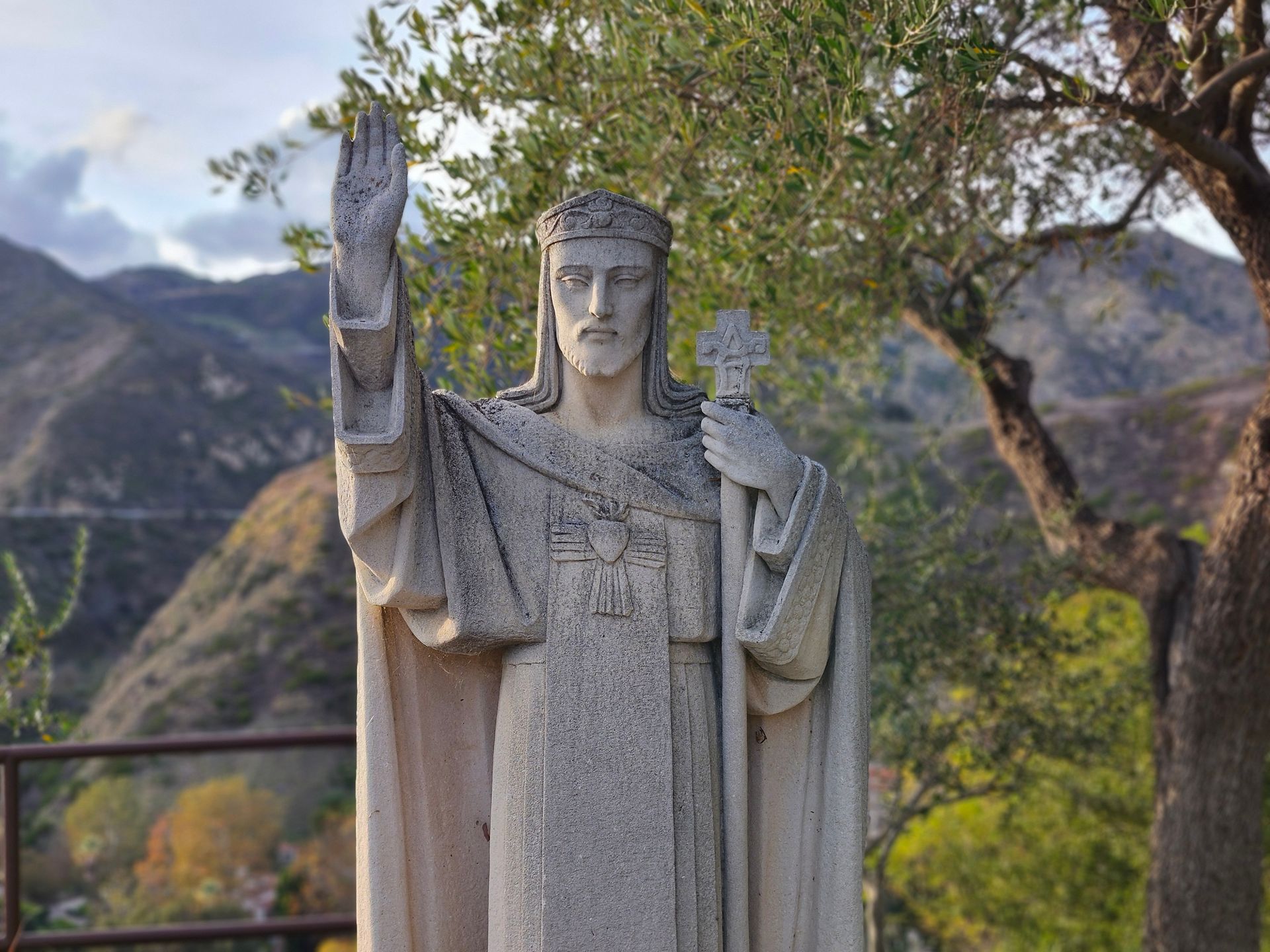
“Jesus answered, ‘My kingship is not of this world.... For this I was born, and for this I have come into this world, to bear witness to the truth. Every one who is of the truth hears my voice,’” (John 18:36-37). "It has long been a common custom to give to Christ the metaphorical title of 'King,' because of the high degree of perfection whereby he excels all creatures. So he is said to reign 'in the hearts of men,' both by reason of the keenness of his intellect and the extent of his knowledge, and also because he is very truth, and it is from him that truth must be obediently received by all mankind. He reigns, too, in the wills of men, for in him the human will was perfectly and entirely obedient to the Holy Will of God, and further by his grace and inspiration he so subjects our free-will as to incite us to the most noble endeavors. He is King of hearts, too, by reason of his 'charity which exceedeth all knowledge.' And his mercy and kindness which draw all men to him, for never has it been known, nor will it ever be, that man be loved so much and so universally as Jesus Christ. But if we ponder this matter more deeply, we cannot but see that the title and the power of King belongs to Christ as man in the strict and proper sense too. For it is only as man that he may be said to have received from the Father 'power and glory and a kingdom,' since the Word of God, as consubstantial with the Father, has all things in common with him, and therefore has necessarily supreme and absolute dominion over all things created. - Quas Primas, 7
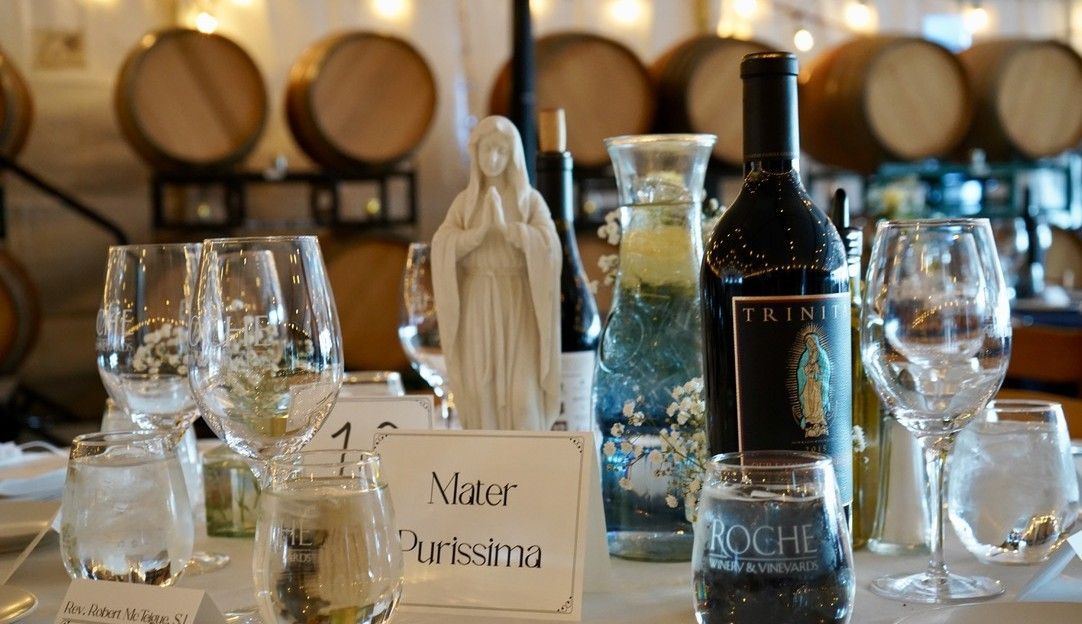
Please Join Us!
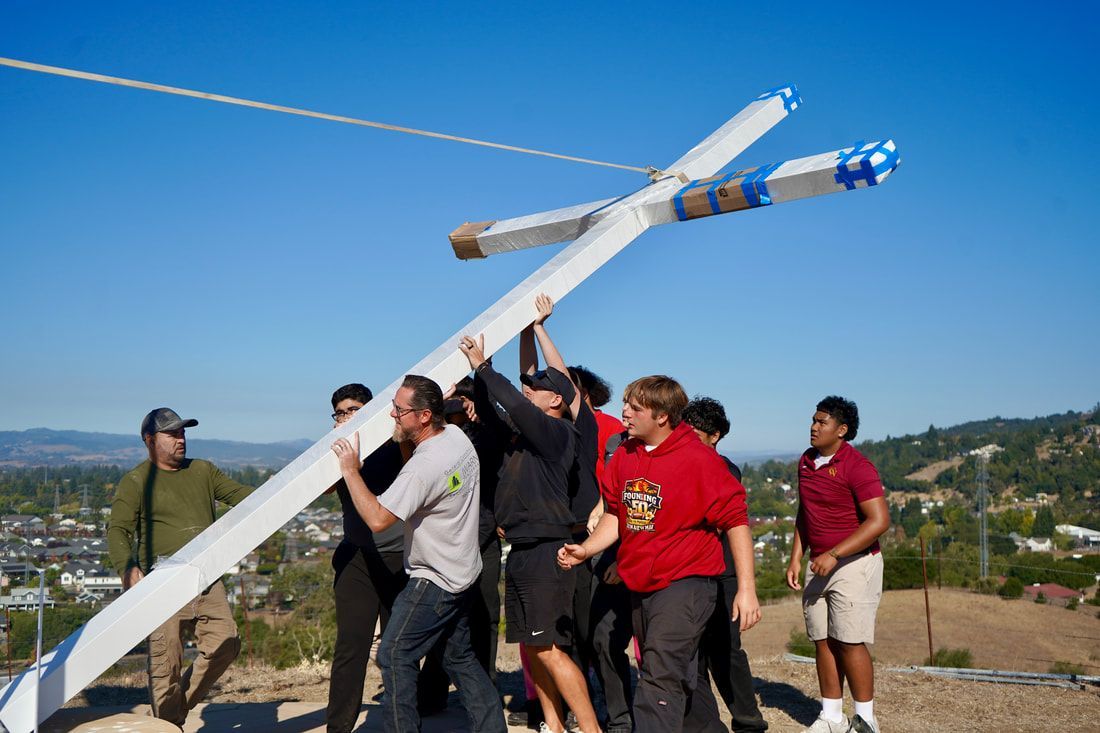
Our Sisters were saddened and disturbed to find our beloved cross which stood erect on our hill vandalized and cut down last month. We have been very...
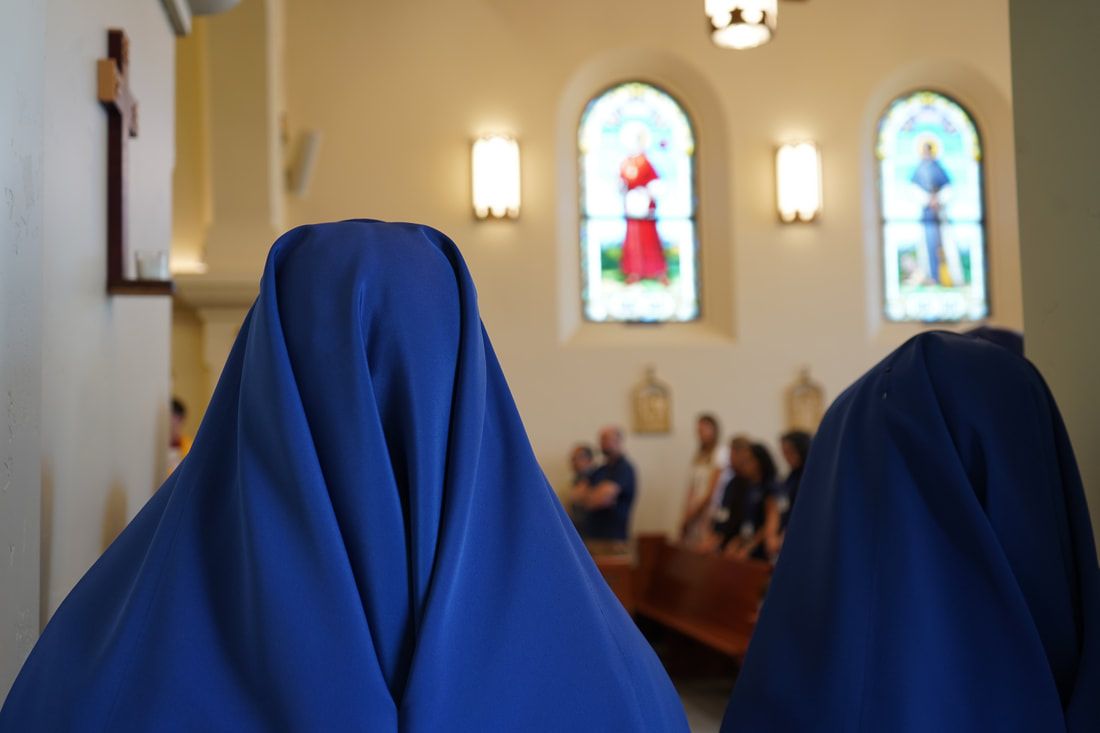
While our Sisters teaching at Cardinal Newman High School and St. John's Elementary School began in August, we had many other apostolates in September and...
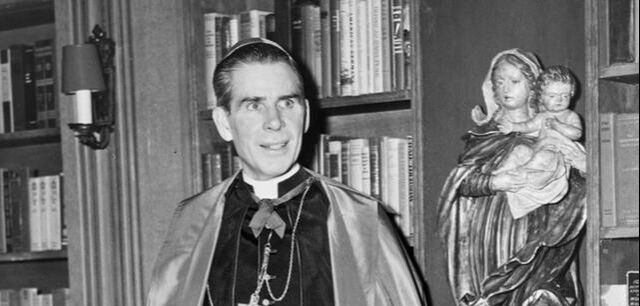
As a continuation of our series on American saints and in anticipation of the upcoming beatification of Venerable Fulton Sheen, we would like to highlight...
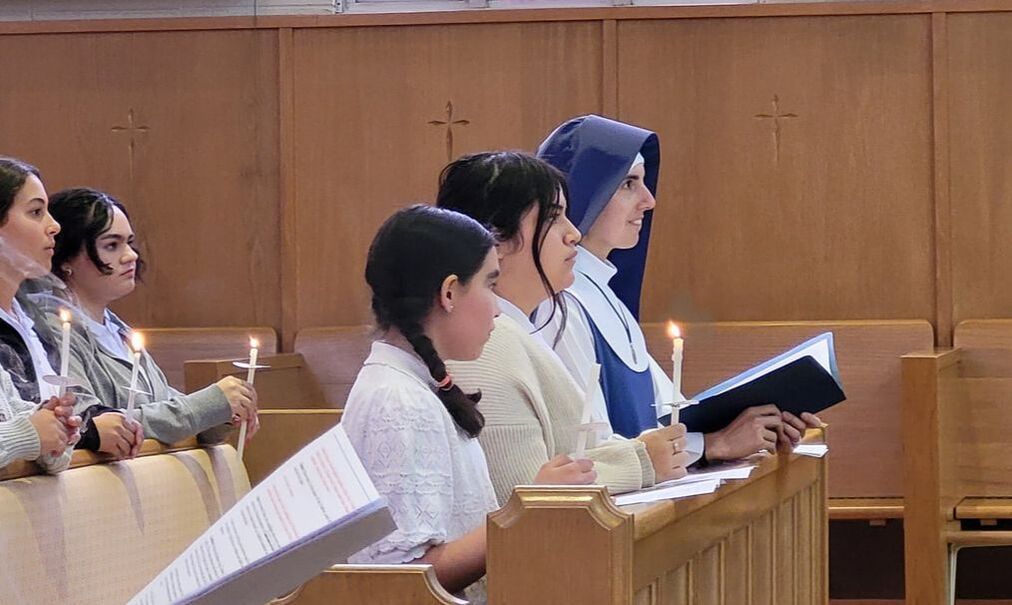
One of the defining characteristics of the spirituality of our Community, as the Marian Sisters of Santa Rosa, is our consecration to the Blessed Virgin...